

G major is the key most guitarists end up in without ever choosing it. The open shapes sit under the hand, the chords ring against the open strings, and an enormous amount of rock, folk and country was written there for exactly that reason.
This page covers what the key gives you, then the songs. If you have already worked through the minor keys, this is the other half of the same map.
The chords G major hands you
Every major key contains seven chords, and they are the same seven every time, only starting from a different note. In G major they are G major, A minor, B minor, C major, D major, E minor and F sharp diminished.
Four of those, G, C, D and E minor, are open chords a beginner already knows. That is the whole reason the key is so common on guitar: you can play most of a song in it before you can play a barre chord. If you want the same information for all twelve keys at once, the chord family charts lay them out side by side.
The one to watch is B minor. It is the only chord in the family that forces a barre, and it is where most players stall. You can substitute a Bm7 played on the top four strings while you build the strength for the full shape.
A note on modes before the list
Several songs below sit on G as their home note but use a flattened seventh, which makes them G Mixolydian rather than strictly G major. Fortunate Son is the clearest case. They are included because the shapes under your hand are the same and the tonal centre is still G, but the distinction is worth knowing when a chord sounds wrong against the recording.
Songs in G major
Each entry says what the song asks of you rather than just naming it. Where sources genuinely disagree about the key, that is stated instead of hidden.
Blackbird by The Beatles
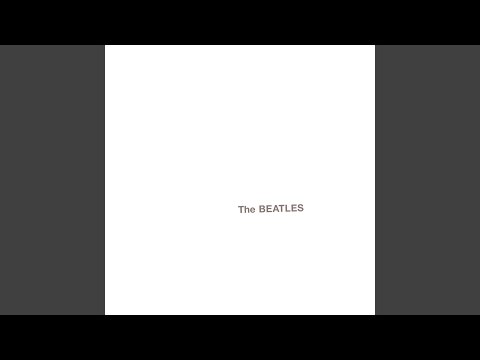
McCartney plays this with thumb and fingers, holding the open G string ringing while pairs of notes climb the neck in tenths. Those shapes are not chord grips you already know, which is what makes the fretting hand feel wrong for the first week. The bar lengths shift too, so counting matters more than usual.
Learn it slowly. The payoff is real independence between the two hands, and it transfers to almost every fingerstyle piece you touch afterwards.
(Sittin’ On) The Dock of the Bay by Otis Redding

Steve Cropper’s part is mostly restraint, which is the harder skill. The verse moves G to B to C to A, and that B major sitting where a B minor belongs is the moment everyone recognises without knowing why. The chorus falls to G and E.
Nothing here stretches the hands. What catches players is the pull to fill every gap, and the song dies if you do. Understand why those two outside chords work rather than just memorising where they land.
(Sittin’ On) The Dock of the Bay Guitar Chords
Free Bird by Lynyrd Skynyrd

Two different songs joined in the middle. The slow section runs G, D over F sharp, E minor, F, C and D, giving a bass line that walks down clearly enough to hear on one listen. The fast outro sits on G, B flat and C.
That flat seventh chord is doing the work in the ending everyone air guitars. Most learners go straight for the solo and never learn the changes underneath, which leaves them soloing over something they cannot actually hear.
Redemption Song by Bob Marley

About as exposed as a guitar part gets. G, E minor, C and D, with an A minor passing through, and no band to hide behind on the solo take. The picking alternates a bass note against the melody, so timing errors show immediately.
Beginners often rush the C to D move at the end of each line. Worth learning because it teaches you to carry a song alone, and because the melody sits inside the chords rather than floating above them.
Sgt. Pepper’s Lonely Hearts Club Band by The Beatles
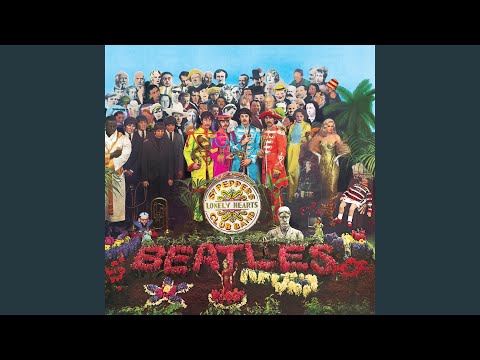
The riff is built from G, C and A, played with a bite that needs the pick attacking harder than feels polite. Harrison and McCartney double it, so a single guitar sounds thin unless you dig in.
There are brief slips toward F and C in the bridge that catch people out if they have learned the song purely by ear. Good for working on rhythm playing that pushes rather than strums, and the horn hits give you something firm to lock onto.
Sgt. Pepper’s Lonely Hearts Club Band Guitar Tabs
Paperback Writer by The Beatles

The verse never moves. It sits on G7 for the whole thing, then pauses on C right at the end, which is why the riff has to carry everything. That flat seventh gives it a Mixolydian colour rather than a clean major sound.
The intro starting on C before the G arrives is the small jolt that makes the opening work. Playing one chord for that long exposes sloppy right hand timing faster than any progression with changes in it.
You Ain’t Goin’ Nowhere by Bob Dylan

Four chords, G, A minor, C and back to G, cycling without a real chorus to break things up. That simplicity is the point and also the difficulty, since holding interest across the loop comes down to the strumming and the vocal phrasing.
The Byrds version adds the country lift that made it widely known. Useful for a player who has the shapes down but has not yet learned to vary a pattern instead of hammering the same eight strokes.
You Ain’t Goin’ Nowhere Guitar Chords
Mother by Pink Floyd

Most of this sits in G major, but the chorus swings into C with a plagal cadence and the song finishes there instead of resolving home, which is part of why it never settles. The chord set runs G, D7, C, F and A minor.
The real obstacle is the metre, which moves through 5/8, 6/8, 8/8 and 9/8 before the solo drops into 4/4. Nick Mason found the changes awkward enough that Jeff Porcaro played drums on the recording.
Against the Wind by Bob Seger

Straightforward G major with C and D doing most of the moving, plus an E minor giving the verse its slight sag. The guitar work is unshowy and the song lives on dynamics, building from almost nothing to a full band without one flashy moment.
Watch out for fake books, which often print this in C for readability and will have you playing in the wrong place against the record. Good practice for restraint and for holding tempo across a long arrangement.
Against the Wind Guitar Chords
Creep by Radiohead

Four chords, G, B, C and C minor, and the song lives on two of the moves. That B major where the ear expects B minor is what makes the verse feel wrong in the right way. The slide to C minor at the end of the cycle is the other.
Jonny Greenwood’s dead note stabs before the chorus are the hard part, because they want muting rather than clean notes. A good lesson in how one borrowed chord can carry an entire song.
Live Forever by Oasis

Built on G, D, A minor and C, with the G shifting to E minor for the pre chorus, and it drops into A minor after the last chorus. The shapes are beginner level.
The difficulty is a strum that drives hard without speeding up, and most players rush it. One practical warning worth knowing before you play along: the master was varispeeded up by slightly under a semitone during mixing, so at standard pitch you will sound faintly flat against the record.
Semi-Charmed Life by Third Eye Blind

G, D and C, round and round, for nearly the whole song. That is the entire chord content, which makes it a good early band song. The bridge adds a G with B in the bass and an A minor.
What takes real work is the fast, palm muted picking that never lets up, and the stamina to keep it even across four minutes. Try singing over it and you will learn quickly how independent your two hands actually are.
Ziggy Stardust by David Bowie

Mick Ronson’s riff is the reason to learn this. It sits on the tonic and dominant with a hammered fourth inside the chord rather than a clean change between shapes. A bass run then walks from C down to A minor and back to the root.
The chords are G, C, D, A minor and F. Getting that hammer on to speak crisply instead of turning to mush is the whole job, and it asks for a firm fretting hand rather than speed.
A Hard Day’s Night by The Beatles

Everyone learns this for the opening chord, which is the one part nobody agrees on. It has been transcribed as G7sus4, as G11sus4 and as an F6/9 inversion, and Harrison described it as F with a G on top before pointing at McCartney’s bass note for the rest of the answer.
The song underneath is plain G major using C and F, with a B minor in the middle eight. A twelve string gets you much closer to the record.
A Hard Day’s Night Guitar Chords
Hey Ya! by OutKast

The chords are G, C, D and E, and the E major landing where the ear expects E minor is the hook doing its work. What catches players out is the metre. One bar in each six bar phrase is cut short, giving 22 beats per cycle rather than 24, so the turnaround arrives earlier than your foot expects.
Count it deliberately before trying to feel it. Strumming it as straight four bar phrases is the single most common way people get this wrong.
Bad to the Bone by George Thorogood and the Destroyers

Open G tuning and a slide, which is why it sounds like nothing you can get in standard tuning. The riff is a boogie shuffle sitting on the tonic and leaning hard on the flat seventh, built around one repeated figure rather than a progression.
Play it straight instead of shuffled and it dies on the spot. Retuning also gives you an early taste of why slide is so much easier when the open strings already form a chord.
Friend of the Devil by Grateful Dead

Garcia opens with a descending G major scale walking down through the bass register, and that line is worth learning on its own before you go near the chords. The song moves through G, D, A minor and E minor quickly enough that there is no room to fumble a change, and the bridge lifts to B minor.
It runs fast for an acoustic piece. Most players have the chords long before they have the tempo.
Friend of the Devil Guitar Chords
Ripple by Grateful Dead

G, C and D with an A minor, which puts it within a beginner’s reach almost at once. David Grisman’s mandolin is the part people remember, and on guitar you can hint at it by picking melody notes out of the chord shapes instead of strumming through them.
The timing is gentle without being loose. What it really teaches is restraint, because the arrangement leaves gaps and filling them flattens the whole thing.
Uncle John’s Band by Grateful Dead

Mostly G, C, D and A minor, with the opening acoustic figure picked rather than strummed. The catch is the middle section, which changes feel and shifts the count, and players who learn the song by ear usually lose their place right there.
Two guitars weave through this, so learning both parts pays off even if you only ever play one. The vocal harmony sits close, making it harder to sing and play than the chord list suggests.
Uncle John’s Band Guitar Chords
Hot Blooded by Foreigner

A riff driven rock song where the guitar figure carries more weight than the chords beneath it. The riff sits in G and leans on the flat seventh, landing in that hard rock territory that is neither straight blues nor clean major.
Six guitar parts are stacked on the record, so one guitar will always sound thinner than the version in your head. Get the main riff tight and properly palm muted before worrying about any of the layers.
Live and Let Die by Paul McCartney and Wings

The quiet verse is undemanding, G with a B minor and a C, and it lulls you before the orchestral section detonates. That instrumental passage is where the song earns its reputation and where a single guitar cannot cover the ground alone.
Making the switch between the two feels convincing is the actual challenge, because the calm sections have to stay genuinely calm. Overplay the verse and there is nowhere left to go when the loud part arrives.
Live and Let Die Guitar Chords
Wild Horses by The Rolling Stones

It opens on B minor even though the song sits in G, which is why the introduction feels suspended before anything settles. The progression works around G, A minor, C and D. Richards developed it out of open tuning experiments on a twelve string, and Mick Taylor’s acoustic is in Nashville tuning, with the lower four strings strung an octave higher.
That second guitar is why the record shimmers in a way one guitar will not. The changes are slow, so the work is all in touch.
Ring of Fire by Johnny Cash

G, C and D is the entire harmonic content, which makes it one of the first songs worth learning once you can change chords cleanly. The mariachi trumpet line is the hook and it transfers to guitar as a simple two note figure moving in thirds. What actually carries the song is the boom chick rhythm underneath, alternating a bass note against the strum.
Steady that pattern and the song plays itself. Rush it and the country feel evaporates.
American Pie by Don McLean
Long, and the length is the difficulty rather than any individual chord. It moves around G, A minor, C, D and E minor, with a clear change of feel between the slow verses and the quicker chorus sections. McLean used a Martin D-28 for the basic chords.
Memory and stamina are the real obstacles here, because there are six verses and players routinely lose their place. Sort out the strumming change between sections before attempting it end to end.
Leaving on a Jet Plane by John Denver

Three chords, G, C and D, cycling steadily, which makes it about as approachable as a song gets. Peter, Paul and Mary had the hit with it, though Denver wrote it and recorded it first.
The value for a learner sits in the strumming rather than the changes, since a flat mechanical pattern makes it dull almost immediately. Vary the emphasis across the verse and leave a small gap before each chorus instead of strumming straight through.
Leaving on a Jet Plane Guitar Chords
Fortunate Son by Creedence Clearwater Revival

It sits on G but uses the flat seventh, which is why it reads as Mixolydian rather than plain major and why it sounds tougher than the chord names suggest. The chords are G, F, C and D. Fogerty’s rhythm playing is aggressive and pushes slightly ahead of the beat, and that push is most of the character.
The shapes are within reach in a week. Getting the attack right, hard and clipped rather than loose, takes a good deal longer.
Who’ll Stop the Rain by Creedence Clearwater Revival

G, C and D with an E minor, played with a steady strum that never draws attention to itself. This is a good song for practising an even pattern underneath a vocal, because there is nowhere to hide a wobble in the tempo.
The guitar work stays plain the whole way through. What catches people out is holding that tempo dead steady across a full verse while singing over the top of it.
Who’ll Stop the Rain Guitar Chords
Over the Hills and Far Away by Led Zeppelin

Page plays the acoustic introduction on a six string and then doubles the theme on a twelve string in unison, which is where the size of that opening comes from. The song runs at 91 beats per minute in 4/4.
The fingerpicked intro rewards accuracy rather than speed, and the shift into the heavy electric section catches out players who have only ever practised the quiet half. Learn the two halves separately before joining them together.
Over the Hills and Far Away Guitar Tabs
Take the Money and Run by Steve Miller Band

Three chords, G, C and D, arranged so sparsely that the song is mostly rhythm and space. The handclaps carry as much of the groove as the guitar does. Strictly this sits in G Mixolydian rather than straight G major, because that flat seventh keeps turning up.
The same overlap confuses automated key detection, which often reports C major since both scales use identical notes. A useful early lesson in leaving gaps rather than filling every bar.
Take the Money and Run Guitar Chords
Sweet Home Alabama by Lynyrd Skynyrd

The riff moves D, C, G, and where you hear home inside that loop is exactly what people argue about. Published sheet music prints G major, and Ed King played his solo in G using E minor pentatonic shapes. Producer Al Kooper thought the solo was in the wrong key and should have sat in D.
Both readings use identical notes, so nothing is transposed and no capo is involved. Learn the riff with the fills between the chords rather than as bare shapes.
Sweet Home Alabama Guitar Tabs
Where to go next
If G is comfortable, the fastest thing you can do is learn the same songs in another key rather than learning more songs in this one. That is what makes the chord family charts worth the time. There are full lessons on the site for Knockin’ On Heaven’s Door and Wish You Were Here, both of which sit in this key.
And keep playing, even on the days it sounds worse than yesterday. That is the only part of this that is not optional.
More lists: guitar songs by key.

Recent Posts
Guitar latency is the gap between hitting a string and hearing the note come back out of your computer. You pick, and the sound arrives a moment later, as if your amp were standing at the other end...
Neural Amp Modeler, or NAM, is a free program that copies real guitar amps and pedals. Someone records a real amp, a neural network learns exactly how it responds, and you play your guitar through...