

Odd time is less mysterious than it sounds. A bar of 5/4 is a bar of 4/4 with one extra beat. A bar of 7/8 is a bar of 8/8 with one taken away. Everything else about playing it is the same as playing anything else.
How to count 5/4 without losing it
Do not count to five. Almost nobody does, and it falls apart the moment you play something over the top of it. Split the bar instead, into a group of three and a group of two, counted ONE two three, ONE two.
Once you hear it as two uneven groups rather than five separate beats, it stops feeling like counting and starts feeling like a rhythm. The split can also go the other way, two then three, and which one a song uses is the thing worth listening for. Each entry below says which grouping it uses.
How to count 7/8
Same idea, one beat shorter, and the grouping matters more because the eighth notes go past faster. The most common feel is 2 + 2 + 3, counted ONE two, ONE two, ONE two three.
The long group can sit at the front or the back, and moving it is how bands make the same meter sound different.
The 7/8 and 7/4 confusion, which is worse than you think
Seven eighth notes in a bar is not the same as seven quarter notes in a bar, and the two feel completely different to play. Money by Pink Floyd, the song given as the famous 7/8 example almost everywhere, is in 7/4. So is Solsbury Hill. So is the bridge of Tom Sawyer, which gets called 7/8 constantly.
If you learn any of those expecting 7/8 you will be fighting the track. The 7/4 songs are grouped separately at the end of this page for that reason, rather than being mixed in.
Songs in 5/4
Take Five by Dave Brubeck Quartet

Desmond wrote it and the Brubeck quartet made it the standard reference for five. The whole tune stays in 5/4, head and solos alike, split 3+2 so the accents and chord changes land on beats one and four. The piano vamp never varies, which is what lets Joe Morello’s drum solo wander so far without losing the bar.
Guitarists usually trip by hearing the melody as swung 4/4 and clipping the fifth beat short. A sound first attempt, because the pulse never moves under you.
Seven Days by Sting

Sting set out to write in seven and ended up in five, and the whole song sits there. Count it 3+2. The bass holds the root across the first two beats, the fifth pushes in just before beat three, then the last pair opens out while the drums keep moving.
Vinnie Colaiuta’s playing is why it feels relaxed rather than mathematical. Players tend to hear it as 4/4 with a hiccup and drop the extra beat. Learn the vocal phrasing against a count before adding fills.
Living in the Past by Jethro Tull

A rare case of a genuine hit that stays in five from start to finish. Count 3+2 and the riff falls into place at once, with flute and bass hitting together on the first beat of each group. Anderson keeps the phrasing short so nothing runs across the barline, which makes it far easier than its reputation suggests.
The usual error is rushing the two beat half and arriving early. Good early target for anyone learning to feel five rather than count it.
Living in the Past Guitar Chords
River Man by Nick Drake
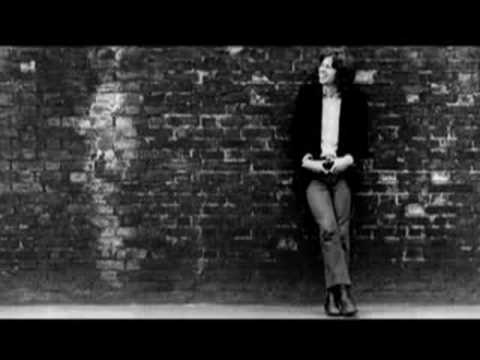
Drake plays the whole song in 5/4, fingerpicked in standard tuning, and it never breaks out of it. Count 3+2, though the pattern is fluid enough that many players feel it as one slow rolling bar rather than two groups. Robert Kirby reportedly handed the string arrangement to Harry Robinson because he had not covered 5/4 at music school.
The difficulty here is the right hand, not the count. Worth attempting early if your picking is steady, since the tempo is gentle and nothing switches.
15 Step by Radiohead

The opening track of In Rainbows runs in 5/4, set by a stuttering programmed drum pattern before the band enters. Count it 3+2 and lock to the kick, because the hi hat deliberately obscures where the bar turns over. Greenwood’s guitar figure enters against that grid rather than with it, which is where most players come unstuck.
The meter itself holds steady throughout. Fair early attempt for the count, less so for the feel, since the swing in the programming is hard to copy.
Morning Bell by Radiohead

The Kid A version sits in 5/4 throughout, built on a repeating keyboard figure with the drums marking the turnaround. Count 3+2. What catches people is the vocal, which floats across the barline and offers no reliable landmark, so keep your count anchored to the bass rather than the melody.
The Amnesiac rerecording is a separate arrangement and worth ignoring while you learn this one. Straightforward once the loop is under your hands, and a reasonable early piece for five.
Theme from Mission: Impossible by Lalo Schifrin

Schifrin wrote the television theme in 5/4 and it has stayed there through every arrangement worth playing. The famous figure divides the bar into eighth notes grouped 3+3+2+2, which is why it drives rather than lurches. Count the quarter note pulse underneath as 3+2 and place the eighth note groups on top.
Most players learn the melody by ear, then set it wrongly against the bar and lose the last two beats. Short, repetitive, and a genuinely good first exercise in five.
Theme from Mission: Impossible Guitar Tabs
My Wave by Soundgarden

The verse riff is in 5/4 and the chorus opens out into 4/4, so the song teaches the switch as much as the meter. Count the verse 3+2, with the vocal entering on the downbeat of each bar. Thayil’s riff repeats without variation, giving you a clear landmark every five beats.
The trap is the chorus, where players carry the five across and arrive early. Soundgarden treated odd meters casually rather than as showpieces, and this one plays that way. Reasonable second or third attempt.
The Grudge by Tool

Tool open Lateralus with a piece that holds 5/4 across most of its length, the riff hammering a low repeated figure that resolves every five beats. Count 3+2 and follow Chancellor’s bass, which marks the turnaround more clearly than the guitar does. Carey fills the bar densely enough that the barline disappears if you listen for the snare.
Long, repetitive and physically demanding rather than metrically tricky. Not a first attempt, but the count is simpler than the band’s reputation suggests.
Hangin’ Tree by Queens Of The Stone Age

Everything except the interlude runs in 5/4, counted 3+2, with the riff repeating a short figure so the extra beat lands as a lurch rather than a gap. Grohl’s drumming makes it feel almost square, which is the trap. The interlude leaves five entirely, moving through 6/4 and 4/4 before the meter returns.
Most players lose the count there rather than in the verse. Tempo is moderate and the riff does not vary, so it is a fair early attempt if you mark the interlude carefully.
Within You Without You by The Beatles

Harrison’s song moves between meters, and the part worth learning for five is the instrumental that closes it, which sits in 5/4. Count 3+2. Isolated 5/4 bars turn up elsewhere in the Beatles catalogue, but this is the sustained one.
The Indian instrumentation phrases across the barline rather than with it, so counting from the melody will not work. Take the bar from the tabla. Awkward to translate to guitar and not a beginner piece, though the count itself is plain once you have located it.
Within You Without You Guitar Chords
White Room by Cream

The famous part is the opening, which is in 5/4, and it returns twice more as a bridge and an interlude. The body of the song is straight 4/4. Count the 5/4 as 3+2 and let the wah figure and the drums mark each bar.
Players usually learn the 4/4 riff, skip the intro, then cannot get back into the song cleanly. Short section, familiar to almost everyone, and one of the easiest genuine 5/4 passages in rock to attempt early.
Four Sticks by Led Zeppelin

Verse passages alternate 5/4 with 3/4, and the choruses sit in 3/4. Sources split over whether to write the riff in 5/4 or 5/8, which matters less in the hand than on the page since the grouping keeps the same shape either way. Bonham played it with two sticks per hand, which is where the title comes from and why the groove sounds so heavy.
Hard to keep steady at tempo. Not an early attempt, and worth checking any transcription against the record.
Eruption from Tarkus by Emerson, Lake and Palmer

The opening instrumental movement of Tarkus, titled Eruption, is in 5/4, and the meter reappears in later passages of the suite. Count 3+2. Emerson wrote it under Brubeck’s influence and it shows in how squarely the accents fall.
Palmer’s drumming states the bar clearly, which helps, but the organ lines run long phrases across several bars and will pull your count if you follow them. Demanding to play and not an early attempt, though the metric idea behind it is simple.
Eruption from Tarkus Guitar Tabs
Mother by Pink Floyd

The verse shifts between meters, with bars of 5/4 sitting among the 4/4, so the song is best learned bar by bar rather than by feel. Count the five as 3+2 when it arrives. The acoustic part is gentle enough that most players never notice the extra beat until they try to play along and land early.
Waters wrote it with the phrasing leading and the meter following. Reasonable early attempt for the chords, and harder than it looks for the timing.
YYZ by Rush

The opening is in 5/4, spelling out the Toronto airport identifier in Morse code across the bar before the main body of the tune moves to 4/4. Count the intro 3+2 and lock to Peart’s ride pattern, which states the code precisely. Most players hear the Morse figure as free time and never place it against a pulse, which makes the entry into the main riff impossible to hit.
Short passage, but it wants counting rather than feel. Intermediate at best.
Songs in 7/8
Them Bones by Alice In Chains

The intro riff and every verse run in 7/8, and the chorus drops into straight 4/4. Count the verse 2+2+3 and let the last group stretch. Cantrell’s chromatic slide gives an audible landmark on each downbeat, so lock to that rather than the snare.
The usual mistake is treating the chorus change as a tempo change, which it is not. The eighth note stays constant across it. Learnable in a session if you are patient with the transition, and the best entry point into seven here.
The Ocean by Led Zeppelin

The main riff pairs one bar of 4/4 with one bar of 7/8, so the short bar lands every second time round. Feel the 7/8 as 4+3 and you will hear the riff cut an eighth note off the end, snapping the next repeat in early. Bonham’s spoken count at the top tells you where the cycle begins.
Some transcriptions write the pair as a single 15/8 bar, which comes out the same. Players usually slow through the short bar instead of playing it. Fair early attempt.
March Of The Pigs by Nine Inch Nails
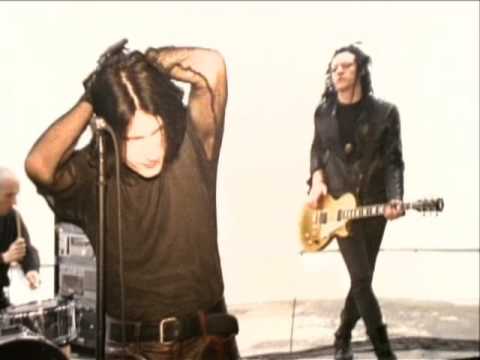
Three bars of 7/8 followed by one bar of 8/8, repeating, which some write as a single 29/8 cycle. The guitar sections carry it and the bridge relaxes into 4/4 before the piano break. Count the sevens as 2+2+3; the fourth bar simply puts the missing eighth note back, which is why the pattern resolves rather than tumbling forward.
Speed is the real obstacle here, not the meter. At this tempo most players can count it long before they can play it cleanly.
Schism by Tool

The verses alternate one bar of 5/8 with one bar of 7/8. Together those make twelve eighth notes, so the pair feels like a lopsided 6/4 rather than a constant scramble. The intro is 5/4 and the chorus alternates 6/8 with 7/8. Chancellor’s bass figure is the anchor, so follow it instead of counting from the drums.
The band themselves described the feel as six and a half. Not a beginner piece. Get the 5/8 and 7/8 pair looping cleanly before attempting the arrangement.
Paranoid Android by Radiohead

The song is mostly 4/4, and the 7/8 sits in the second section, where three bar segments switch over before dropping back. One producer counted the track flipping between the two meters more than a dozen times. Count the seven as 2+2+3.
The difficulty is the switching rather than the meter itself, since nothing announces the change and the guitars carry straight through it. Learn the sections separately and only then join them. Intermediate, and a useful study in changing meter under a steady tempo.
The Cinema Show by Genesis

The extended instrumental that closes the track is in 7/8, running under Tony Banks’s synth solo with Rutherford and Collins holding the groove. The earlier twelve string song section is not in it. Count the groove 2+2+3 and take your bar from the bass, because the solo phrases straight across the barline and will pull you off.
Collins keeps the hi hat even, which helps more than the snare does. A long stretch of one meter rather than constant switching, so it suits a player learning to stay in seven.
Jocko Homo by Devo

Devo built the verse and main body in 7/8, then change to 4/4 partway through, which is as much of the joke as the riff is. Count 2+2+3. The keyboard and guitar hit together on each downbeat, so the bar is easy to find even at speed.
The trap is the switch to four, which arrives without warning and catches players still counting seven. Simple parts, unusual meter, and one of the more approachable 7/8 tracks to attempt early.
Deliverance by Opeth

The intro riff is 7/8 grouped 2+2+3, a dissonant tritone chord alternating with muted hits, and two mutes in the final group give the bar its lurch. Verses move to 4/4. Seven returns for the acoustic passage around a minute in and again under the solo later on.
The double kick underneath hides the barline if you listen for it, so count the riff itself. Not an early attempt, but the pattern is short and repeats exactly, which makes it learnable with time.
Golden Brown by The Stranglers

The harpsichord intro alternates bars of 6/8 with bars of 7/8, and that motif returns several times through the song. It is not a waltz, whatever it sounds like on the radio. Count the 6/8 as two groups of three, then the 7/8 bar simply adds one more eighth note on the end.
Players almost always learn it in straight 3/4 and then cannot work out why it drifts against the record. Short, famous, and worth getting right rather than approximating.
Songs in 7/4, which is not the same thing
These are here because they are constantly listed as 7/8 elsewhere. They are worth learning, but count them in quarter notes.
Money by Pink Floyd

Predominantly 7/4, and the most misfiled song on this subject. It is seven quarter notes to the bar, not seven eighths. The bass figure states the bar plainly, so count it 4+3 and follow the cash register loop at the top.
The guitar solo leaves the meter, moving into 4/4 after a two bar link, and seven returns for the final verse. Slow enough that counting seven is comfortable. Good first attempt at seven, provided you write it out correctly.
Solsbury Hill by Peter Gabriel

Mostly 7/4, settling into 4/4 only for the last two bars of each chorus. Like Money, it is routinely and wrongly listed as 7/8. The acoustic strum marks each bar clearly and the tempo is bright without being fast, which is why the meter passes unnoticed by most listeners.
Gabriel described the rhythm as feeling normal without being quite right. Count 4+3. Straightforward to attempt early, and a good way to hear the difference between seven quarters and seven eighths.
Spoonman by Soundgarden

Intro, verses, main riff and drum solo are in 7/4, sometimes written as 14/8. Choruses and the guitar solo move to 4/4, and the spoons solo goes to 6/8, so the track covers a lot of ground for a single. Count the riff 4+3 and take the bar from Cameron’s kick.
Thayil said the band worked out the meters after writing rather than before, which is why nothing sounds forced. The riff is heavy and slow enough to attempt early. Do not label it 7/8.
Outshined by Soundgarden

The verses are in 7/4 while the choruses square up. Count 4+3 and follow the riff, which lands hard on the first beat of each bar and leaves the seventh beat hanging before the turnaround. Cornell’s vocal sits behind the riff rather than on top of it, so counting from the melody will mislead you.
The drop tuning makes the riff feel slower than it actually is. Reasonable early attempt in seven, and again, seven quarter notes rather than seven eighths.
All You Need Is Love by The Beatles

The verses are in 7/4, most often written as alternating bars of 4/4 and 3/4, which is the easier way to read it. The chorus straightens out. Count 4+3 and the vocal phrasing falls into place.
Almost nobody notices the meter on a casual listen, which is rather the point. The song does not sound difficult and is not difficult, but playing along in straight four will not work. Fine early attempt, and a good demonstration that odd meter need not sound odd.
All You Need Is Love Guitar Chords
Tom Sawyer by Rush

The song switches between 4/4 and 7/4, with the instrumental middle section carrying the seven. Verses stay in four. Count the middle as 4+3 and follow Peart’s ride, which states the bar clearly even through the fills. This is the section that listicles keep calling 7/8, and it is not.
The pulse is far too slow for eighth note bars. Lifeson’s part runs across the barline in places. Intermediate, and worth looping the middle section on its own before playing the song end to end.
Ticks and Leeches by Tool

Listed here rather than with the 7/8 tracks because it is 7/4, despite appearing on plenty of 7/8 lists. Count 4+3. The riff is dense and the tempo high, so the bar is easier to lose than in most seven based rock, and Carey’s toms fill the space where you would normally hear the turnaround.
Take your count from the bass. Physically punishing to play at full speed and not a sensible early attempt, though the underlying count is not complicated.
Where to go next
Odd meters get much easier once the even ones are automatic. If counting is the part that keeps slipping, the 3/4 songs and 6/8 songs pages are the better place to build it, because both group beats the same way without the extra beat to trip over.
More lists: guitar songs by time signature.

Recent Posts
Guitar latency is the gap between hitting a string and hearing the note come back out of your computer. You pick, and the sound arrives a moment later, as if your amp were standing at the other end...
Neural Amp Modeler, or NAM, is a free program that copies real guitar amps and pedals. Someone records a real amp, a neural network learns exactly how it responds, and you play your guitar through...