
C major is the key with no sharps and no flats, which makes it the first key most people meet on paper and one of the last they get comfortable with on a guitar. Nothing in it falls under the fingers quite as easily as G or D.
That awkwardness is worth pushing through, because an enormous amount of songwriting sits here. If you have already worked through the chord family charts, this is the key those charts start from.
The chords C major hands you
Seven chords, and no accidentals anywhere: C major, D minor, E minor, F major, G major, A minor and B diminished.
Three of those are open shapes a beginner already owns, C, G and A minor, and E minor is easier still. The obstacle is F. It is the IV chord, it turns up constantly, and it is the first barre most players meet. You can play it on the top four strings while you build up to the full shape, and plenty of records use exactly that voicing anyway.
A word on capos before the list
More songs are wrongly called C major than any other key, because a capo makes C shapes sound in a different key entirely. Playing C, F and G shapes with a capo on the third fret gives you E flat major. The shapes are C shapes. The song is not in C.
Every song below is in C major on the record, not merely playable with C shapes. Where a capo is involved, the entry says so and says what it sounds in.
Songs in C major
Each entry says what the song asks of you rather than just naming it. Where sources genuinely disagree about the key, that is stated instead of hidden.
Let It Be by The Beatles

Four chords carry the whole song: C, G, Am and F. What makes it a good first Beatles piece is the movement between them, because the melody sits on top while the bass walks down underneath. Most learners get caught by the F, and by the temptation to strum straight quarters instead of leaving space.
The solo is short, blues based and lives around the fifth fret. Learn the verse first, then add the small C to C/B connecting moves that join the changes together.
Something by The Beatles

The verse is in C but almost nothing stays put. Harrison moves through C, Cmaj7, C7 and F, and the famous opening figure walks a bass line down underneath those changes rather than repeating one shape. The middle eight lifts into A major and stays there for eight bars before dropping back.
That modulation is the thing worth learning, because it shows you how a pivot chord actually works. Take the fills slowly. They are melodic lines woven between chords, not licks bolted on afterwards.
Hello, Goodbye by The Beatles

The verses are about as plainly C major as the Beatles ever wrote, running C, G, Am and F with a straight strum underneath. That makes it a useful early song. The interest arrives later, because the refrain drops in chords from outside the key and the long coda keeps going well after you expect it to stop.
Count through that ending rather than playing by feel, since the phrasing is not symmetrical. If you already know Let It Be, this is the sensible next step in the same key.
Can’t Buy Me Love by The Beatles

The verse is a twelve bar blues in C, so C7, F7 and G7 cover the whole job there. The hook is the odd part, because it leans on Em and Am, minor chords sitting against a major key blues. That contrast is what gives the song its lift.
Rhythm is the real difficulty. It moves fast, the strum is a tight swung shuffle, and the band drops away under the vocal in places. Get it clean well below the record’s tempo before you try to match it.
Can’t Buy Me Love Guitar Chords
Imagine by John Lennon

Written on piano, but it transfers well because the shapes are friendly: C, Cmaj7 and F, then Am, Dm, G and G7 through the verse turnaround. The Cmaj7 to F move is the sound of the song and worth isolating on its own. The difficulty here is not the fretting hand.
It is restraint, because the part is a soft repeated figure and any extra strumming ruins it. Let the C ring and change cleanly on the beat. Good practice for anyone who plays louder than the song needs.
Space Oddity by David Bowie

This one earns its place because it is C major without ever feeling settled. It opens on Fmaj7 and Em rather than the tonic, alternates C and Em through the first verse, then slips in a D major and an E7 that belong to neither chord family. There is a descending run through Bb, Am, G and F as well.
None of the shapes are hard on their own. Holding the sequence in your head is the work, so learn it in sections and watch where the outside chords land.
Changes by David Bowie

Do not expect three chord C major. It begins on Cmaj7, then climbs by semitones through Db, Dm7, Eb7 and F7 before the chorus arrives. Those passing chords are chromatic, meaning most of them sit outside the key entirely, and that is exactly why the song repays the effort.
It finishes on the same Cmaj7 it started with. On guitar the climb works better with moveable shapes than open chords. Sort out an economical fingering first, because the changes come quickly and there is no room to reset.
You Can’t Always Get What You Want by The Rolling Stones
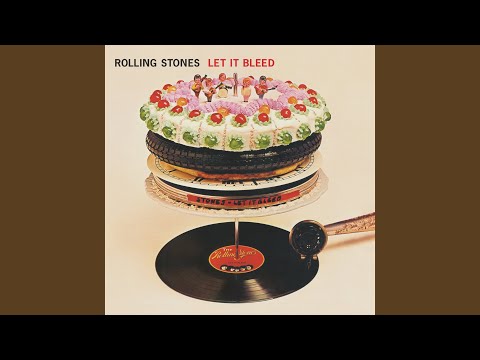
The recording is in C major, but Keith Richards plays it on acoustic with a capo, which is where a lot of learners go wrong. Capo at the fifth fret with G shape chords puts you in the right place, and that is how the reliable charts are written. His exact tuning has never been settled and the published accounts contradict each other, so treat any confident single answer with suspicion.
Musically it is open and unhurried, built on sustained strumming rather than a riff. A good song for learning to use a capo properly.
You Can’t Always Get What You Want Guitar Chords
Brown Sugar by The Rolling Stones
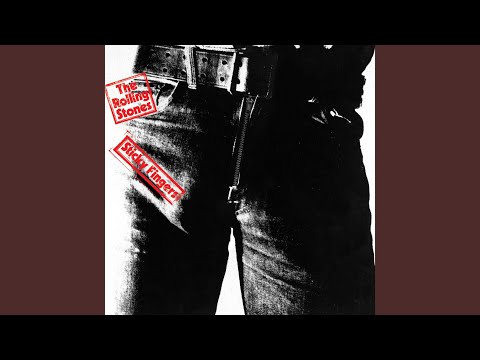
Open G tuning, and Richards normally drops the low sixth string altogether. The riff is not open position C major despite the key. It is a barre shape up at the twelfth fret sliding down to the fifth, and the swing in it matters more than the notes do.
Harmonically the song sits on C with an F and a Bb, and that flat seventh gives it a Mixolydian colour rather than a clean major sound. Retuning is a commitment. This riff is one of the better reasons to make it.
Tomorrow Never Knows by The Beatles

Included with a caveat, because this is C Mixolydian rather than plain C major. The track sits on a C drone with a Bb pushing against it, and that flat seventh is structural rather than decorative. For a guitarist the value is not chord practice.
It is learning to hold interest on one chord for three minutes using rhythm and dynamics instead of harmony. There is almost no movement to hide behind. If your playing leans on constant chord changes, this will show you what that is covering up.
Tomorrow Never Knows Guitar Chords
Have You Ever Seen the Rain by Creedence Clearwater Revival

The chord set is small: Am, F, C and G. What throws people is the opening, because the song starts on the relative minor before it settles onto C, so the first bars sound like A minor to an untrained ear. Once you hear the C as home the rest falls into place.
Fogerty’s rhythm part is a steady eighth note strum with almost no ornament, which means your right hand has nowhere to hide. A good song for tightening up timing rather than learning new shapes.
Have You Ever Seen the Rain Guitar Chords
Down on the Corner by Creedence Clearwater Revival

Three chords, C, F and G, with no flat seventh anywhere despite how bluesy the track feels. That makes it genuinely plain C major, which is rarer in this style than you might expect. The value is in the groove.
Fogerty’s part locks tightly to the bass line and the whole thing depends on where you place the strum rather than what you play. Try it with a light palm mute. Beginners can learn the chords in an afternoon and spend a year getting the feel right.
Down on the Corner Guitar Chords
Tiny Dancer by Elton John

A piano song that guitarists can still learn plenty from, because the harmony moves constantly while the key never shifts. Expect C, F, G and Am with a lot of inversions and passing bass notes underneath. The chorus arrives much later than in most pop songs, so the structure is the first thing to internalise.
Nothing here is technically demanding for the fretting hand. Holding a long arrangement together and keeping the dynamics climbing toward that chorus is the actual work.
Piano Man by Billy Joel

The 1973 recording is in C, and the detail worth stealing is the descending walking bass line running under the verse and chorus, ending in a D to G turnaround. That D is borrowed from outside the key and it is what stops the progression sounding ordinary.
The song is a fast waltz in 6/8, so counting in three matters more than usual. Worth knowing that Joel now performs it in B flat to suit his voice, which catches out anyone learning from a recent live video.
Hallelujah by Leonard Cohen

Cohen’s 1984 original uses C, Am, F, G and an E, all open position, no capo. The E is the one to notice, because it contains a G sharp that does not belong to C major and it is what gives the verse its ache.
The song is in 12/8, so the strum rolls in triplets rather than sitting square. Jeff Buckley’s version sounds in the same key but is played with G shapes at the fifth fret, which is how two guitarists can both be right and still disagree about the chords.
River by Joni Mitchell
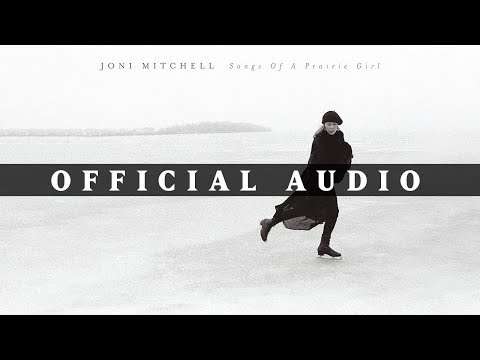
A piano song rather than one of Mitchell’s open tuned guitar pieces, which is good news given how much of her catalogue is locked behind altered tunings. The intro quotes Jingle Bells in the minor, so the opening twenty seconds sound nothing like C major and mislead plenty of listeners. Guitar arrangements usually put a capo at the fifth fret and use G family shapes, which sounds in C.
Learn the melody first. The chords make far more sense once you can hum what they are holding up.
Feelin’ Alright by Joe Cocker

Two chords, and Dave Mason who wrote it said he did not need anything more than that. The vamp is C7 to F, and that C7 puts a B flat over the C tonic, which makes it Mixolydian in flavour rather than textbook major. Include it knowing that.
For a guitarist this is a lesson in making a two chord loop breathe, because the whole song lives in the rhythm and in how hard you dig into the strings. Play it straight and it dies immediately.
My Girl by The Temptations

The guitar intro is one of the best known lines in soul and it is built from the C major pentatonic over the C chord, then the F major pentatonic over the F. Learn it as a melody, not as a shape. The verse itself is only I and IV, so the chords are almost nothing and the riff is everything.
One warning before you play along. The record modulates up a whole step to D near the end of the solo, so staying in C leaves you a tone flat for the closing section.
Respect by Aretha Franklin

The verse deliberately withholds the C chord, cycling between G and F for six bars before the refrain finally lands home. That is why beginners who vamp C, F and G never quite sound like the record. The chords are usually written as dominant sevenths, which gives a bluesy flat seventh colour over a C major frame.
The sax solo moves to B major before the last verse returns. Getting those clipped rhythm guitar stabs to sit in the pocket is harder than the shapes make it look.
Lean on Me by Bill Withers

About as plainly C major as popular music gets. Withers wrote the main figure by running his fingers up and down the piano, and that is exactly what it is, a stepwise walk through the C major scale harmonised with C, F, G and Em. On guitar the run transfers cleanly to the top strings.
If you are still learning where the notes of C major actually live on the fretboard, this song hands you the answer in a form you already know by ear. The bridge is the only real change of gear.
No Woman, No Cry by Bob Marley

Standard tuning, no capo, and the whole song loops C, G/B, Am and F through verses, chorus and bridge alike. The descending bass line under those changes is the point, and it is worth fretting properly rather than letting open strings do the work.
The 1974 Natty Dread studio cut and the 1975 Lyceum live version are both in C but feel completely different, so decide which one you are learning. Reggae upstrokes landing on the offbeat are the real difficulty here, not the chord shapes.
No Woman, No Cry Guitar Chords
Walk on the Wild Side by Lou Reed

Essentially a two chord vamp on C and F, joined by that famous doubled bass line sliding between them. Chord transcriptions also show a bright D major, which is not native to C major, so this is not three easy diatonic chords. The guitar part is understated and jazz inflected, played with a soft touch and almost no gain.
It rewards anyone working on dynamics and clean voicings. If you have only ever strummed hard, this song will expose that quickly and usefully.
Walk on the Wild Side Guitar Chords
La Bamba by Ritchie Valens

C, F and G looping without a bridge or a modulation, which makes this one of the most direct three chord songs on the list. The guitar figure is a repeating pattern that follows the changes rather than sitting still, and getting it even is the challenge. Speed comes later.
Valens plays with a bright, percussive attack, so mute lightly with the picking hand instead of letting everything ring. A good early song for anyone who wants a full arrangement rather than just accompaniment.
Morning Has Broken by Cat Stevens

Qualified inclusion, because only the sung verses are in C. Rick Wakeman’s piano introduction, the third verse and the instrumental ending are all in D, so the arrangement changes key four times across the track. Anyone who learns that famous intro in C will clash with the record.
The verses themselves are gentle and diatonic, in 3/4, and sit well fingerpicked. Treat this one as a lesson in listening for a key change rather than assuming a song stays where it started.
Morning Has Broken Guitar Chords
Don’t Look Back in Anger by Oasis

C major with two chords worth flagging: an E major in the verse walk down, containing a G sharp that is not in the key, and an F minor borrowed for the chorus. Neither is hard to play, but they are the reason this does not sound like a plain three chord song.
There is a tuning trap as well. Oasis recorded with everything tuned sharp, around A equals 451 hertz rather than 440, so you can be correct at standard pitch and still sound audibly flat against the record.
Don’t Look Back in Anger Guitar Chords
All the Small Things by blink 182

Straight I, IV and V in C, so the whole song is C, F and G in power chord voicings with no modal wrinkles at all. It runs at 150 beats per minute in common time, and that tempo is the entire difficulty. Downstroke consistency in the picking hand separates a version that drives from one that flaps.
Work it with a metronome well under tempo and creep upward. It is a short song, easy to learn badly, and genuinely satisfying once it is tight.
All the Small Things Guitar Tabs
Ho Hey by The Lumineers

No capo on the record, which is unusual for this kind of acoustic pop and worth knowing before you reach for one. The chords are Am, C, F and G in open position and the arrangement is deliberately bare.
Most of the character comes from the muted percussive strum and the shouted vocal answers rather than from anything harmonic. That makes it a useful song for practising restraint, and for learning to hold time when almost nothing else is happening around you.
Peace Train by Cat Stevens

Standard tuning and no capo, which matters because Cat Stevens capos a great deal of his catalogue and this song is an exception. The chords centre on C, F, G and Am, with fuller voicings such as Fadd9 turning up in transcriptions.
The song builds by adding layers rather than by changing key, so the guitar part stays consistent while everything around it grows. Useful for learning to keep a repeated part interesting through dynamics alone, and the strum is forgiving for a newer player.
Golden Slumbers by The Beatles
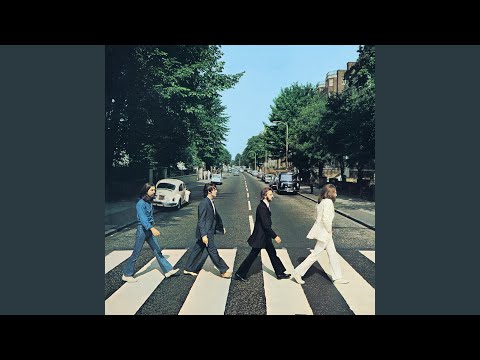
Each verse opens on what sounds like an A minor seventh, so plenty of people file this as a minor song. It is not. A minor never establishes itself as a tonal centre and the music converges on C quickly.
The chords run Am7, Dm7, G7 and C with an E pulling hard into the following section. It is short, harmonically rich and sits comfortably under the fingers. A good study in how a song can start away from home and still be unambiguously in a key.
You’re My Best Friend by Queen

John Deacon wrote it on a Wurlitzer electric piano, and the bark of that instrument’s bass notes carries the whole track. On guitar the key is C and the chords sit around C, F, G and Am with borrowed colours including an F minor sixth and an E with a G sharp in the bass.
Brian May’s contribution is layered harmony lines rather than strummed chords, so the interest is in the arrangement. Sourcing on the key is thinner here than for most entries, and it is listed with that caveat.
You’re My Best Friend Guitar Chords
Where to go next
C and G share most of their chords, which makes them the natural pair to learn together. The chord family charts show why. If the F chord is what is stopping you, there are songs that avoid barre chords entirely on the no barre chords page.
And keep playing, even on the days the F still buzzes. That part is not optional.
More lists: guitar songs by key.

Recent Posts
Guitar Pro costs $69.95, and its free trial lasts seven days. You don't need it to write tabs. TuxGuitar opens Guitar Pro files from version 1 to 7 and costs nothing, and it's only the first of...
Guitar latency is the gap between hitting a string and hearing the note come back out of your computer. You pick, and the sound arrives a moment later, as if your amp were standing at the other end...